
Pre-expand
Control steam input and bead expansion toward the specified bulk density.
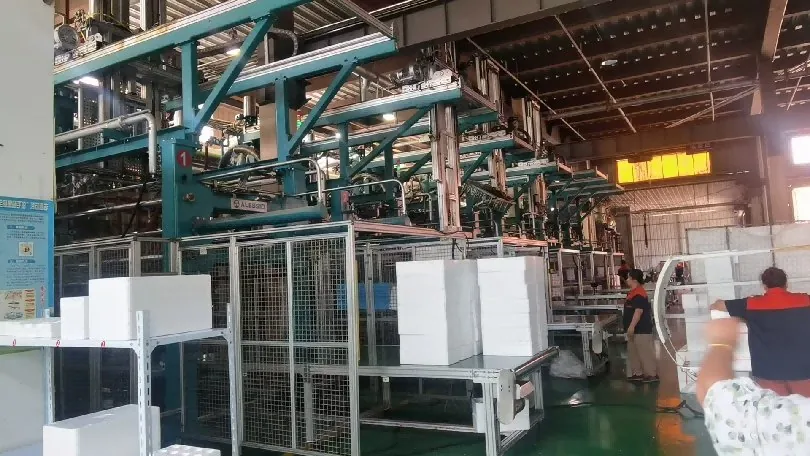
Connect EPS bead pre-expansion, automated aging silos, shape molding, central utilities, robotic handling and downstream packaging into a coordinated manufacturing operation.
Plan Your EPS Production LineExplore the LineAn automatic EPS production line combines process machines, bead-transport equipment, handling systems and shared factory utilities to manufacture expanded polystyrene (EPS) parts with a coordinated production workflow.
Instead of operating every step in isolation, a planned EPS automatic line links bead preparation, material conditioning, molding and finished-part handling, with automation selected to match the product mix and factory layout.
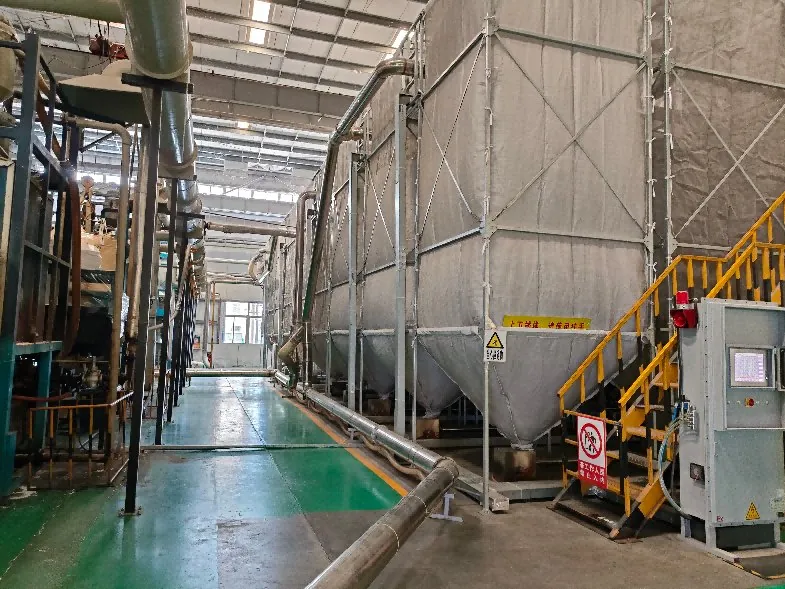
Aging and material transfer systems form the link between pre-expansion and molding.
The exact layout is defined by product geometry, EPS density, machine count, site utilities and required downstream automation.
Control steam input and bead expansion toward the specified bulk density.
Condition beads in silos and automatically direct material to assigned molding cells.
Feed the cavity, steam-fuse the beads, cool and release the finished part.
Use configured product handling to remove parts safely from the cell.
Transfer parts for inspection, packing, filming or cage loading as required.
Collect machine state, material routing and production data where connected.
Build a new plant or connect selected machines and automation modules into an existing production environment. The scope can be tailored to the required capacity and product mix.
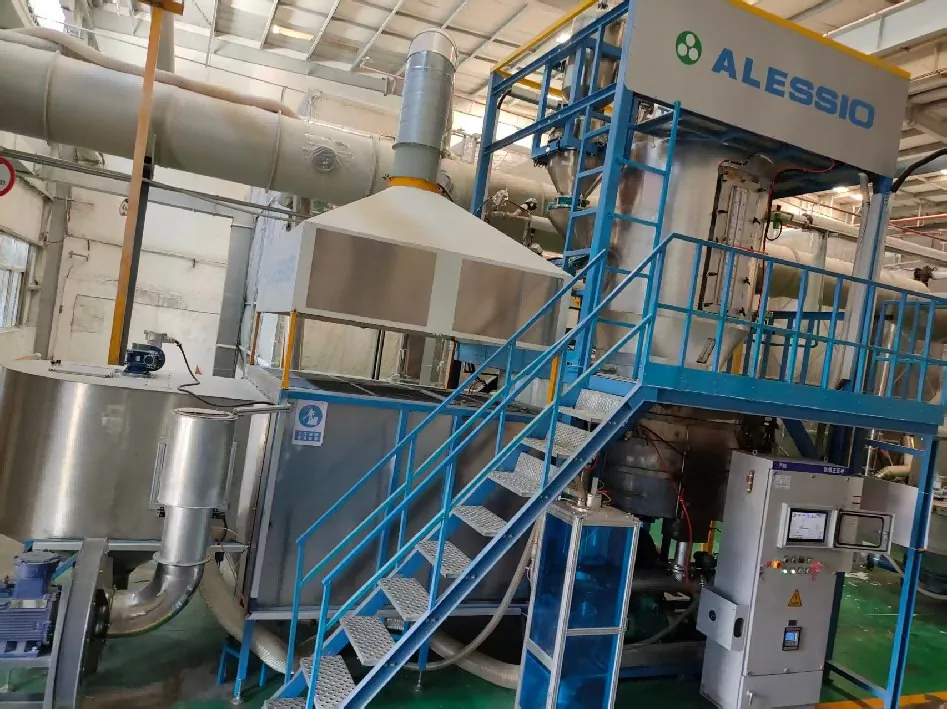
Vacuum-fluidization and weighing-feedback options support controlled raw-material preparation and repeatable density targets.
Explore EPS pre-expanders →Automated silo selection, controlled aging time and configured material-routing valves help deliver the right bead grade and density.
Explore smart silo systems →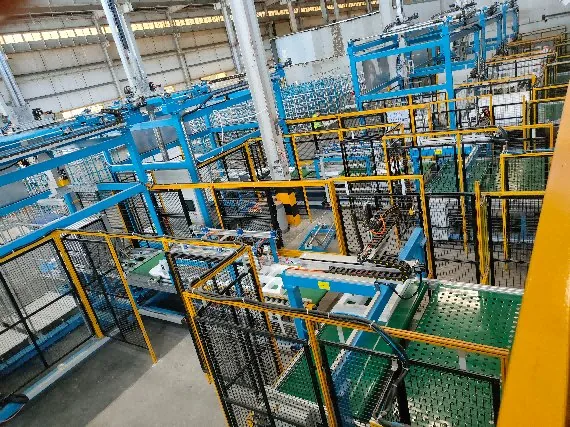
Connected molding cells coordinate filling, steam fusion, cooling and demolding. Compatible equipment can integrate automatic quick mold change.
Explore EPS molding machines →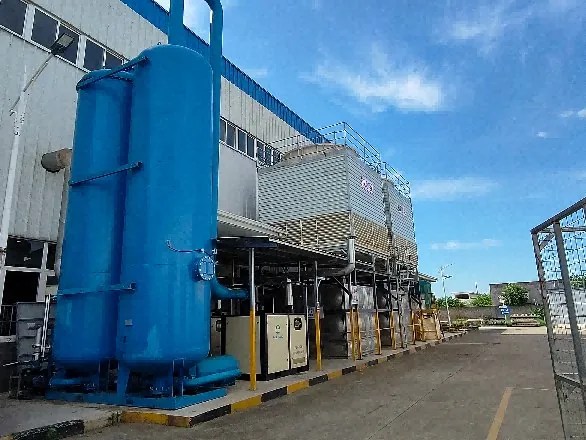
Central vacuum, cooling water and steam distribution are engineered around the number of machines, process demand and operating conditions.
Explore vacuum systems →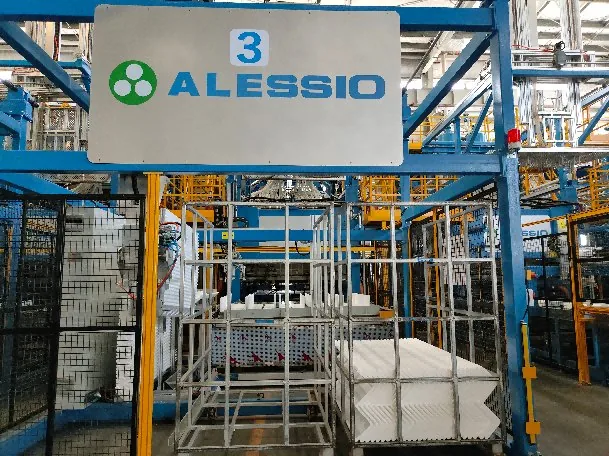
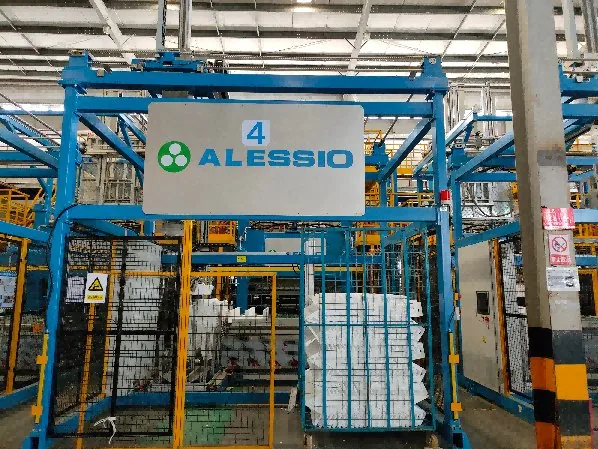
Automated take-out, product transfer, packaging and cage loading can be planned around cycle time and part handling requirements.
Explore handling solutions →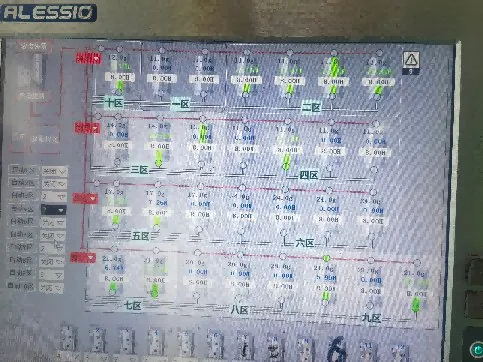
With a suitable control architecture, production status, recipe settings and material flow can be viewed and coordinated at line level.
Discuss line-level integration →A plant-scale EPS production system performs only as well as the interfaces between process machines, utilities, material logistics and the final product flow.
Assign EPS batches to aging silos and downstream demand with configured recipes, switching valves and transfer pipelines.
Match the expected part cycle, mold sizes and changeover frequency to the equipment mix and handling capacity.
Design vacuum, steam, cooling water and compressed-air distribution based on simultaneous process loads.
Integrate conveyors, robots and cage loading with suitable guarding, access and maintenance space.
Share status, interlock and process information through configured PLC and industrial communication interfaces.
Reserve provision for additional molding machines, silo branches and downstream modules as output requirements change.
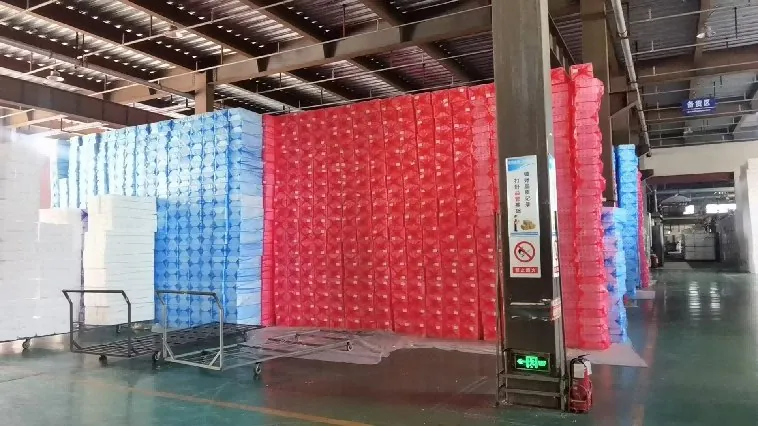
See how material flow, molding equipment, conveying and plant utilities come together in EPS packaging operations. System boundaries and levels of automation vary by site.
A Yixing EPS packaging facility combines bead preparation, automated aging silos, molding machines and product conveyors to support multiple product formats and a coordinated material supply process.
Project configuration is determined by site requirements and the product range.At a Jingzhou appliance-packaging facility, molding equipment works alongside automated part-transfer systems, cage loading, bead-handling infrastructure and shared factory utilities.
Actual production cycles and automation scope depend on equipment configuration, product geometry and utilities.Explore complete-line and factory demonstrations. Video players load only after you click, keeping the page lightweight for overseas visitors.
ALESSIO factory integration and production-line project footage.
Watch on YouTube →Automated EPS molding with downstream material and product handling.
Watch on YouTube →Factory-level equipment layout and EPS production integration.
Watch on YouTube →6-axis robots with automated conveying and packaging interfaces.
Watch on YouTube →A useful line quotation depends on more than a single machine price. The product mix, required output and existing factory services determine the equipment and automation concept.
| Project information | Why it matters |
|---|---|
| Products & target density | Material grade, part size, geometry, quality criteria and EPS consumption define the process requirements. |
| Daily production volume | Shift pattern, cycle targets and product mix determine machine quantity and handling capacity. |
| Tooling & changeovers | Mold envelope, weight and planned change frequency affect molding-cell layout and QMC selection. |
| Utilities & factory layout | Steam, cooling water, vacuum, compressed air and floor-space constraints guide system sizing. |
| Automation scope | Material transfer, product take-out, robots, packing and monitoring define station-to-station interfaces. |
| Safety & destination | Local requirements, machine guarding, service access and acceptance scope should be agreed early. |
A line can include an EPS pre-expander, automated bead aging and storage silos, EPS molding machines, centralized vacuum and cooling systems, conveyors, robotic product handling, packaging equipment and production monitoring. The final scope depends on the part and factory requirements.
Selected upgrades may be possible, such as silo controls, conveying, automatic take-out, robotic handling or line monitoring. Compatibility must be assessed against current machine interfaces, available space, safety and utility capacity.
Start with each part's target cycle, parts per mold, operating shifts, planned uptime and product mix. Include changeovers, downstream handling and factory bottlenecks rather than sizing only from nominal machine speed.
Appropriate bead aging and traceable density allocation are important for consistent supply. Automated silo selection and material routing are especially useful where multiple densities or molding cells must be coordinated.
Yes, with suitable end effectors and safety systems, robots and conveyors can support molded-part removal, transfer, packaging or cage loading. The handling concept depends on part geometry and fragility.
Depending on the agreed automation architecture, machine and silo status, alarms, recipes and production data can be connected through PLC and monitoring interfaces.
Tell us about your products, targets and plant utilities. Explore equipment, layout and automation scope with ALESSIO's engineering team.
ALESSIO · Zhejiang ALAIXIAO Intelligent Equipment Technology Co., Ltd. · Deqing, Zhejiang, China